Understanding Unruhestifterin: Its Impact in Politics and Culture
The German term
Unruhestifterin offers a fascinating lens through which to examine the dynamics of disruption, challenge, and change in society. More than just a simple translation of "troublemaker,"
Unruhestifterin carries a nuanced weight, often referring to a female person (or an institution, concept, or thing with a feminine grammatical gender in German) who actively disturbs peace, provokes discussion, or instigates activity. Its profound meaning lies in its dual nature: it can denote someone who causes undesirable chaos, but equally, it can describe a powerful catalyst for progress, innovation, and critical thought. Understanding this multifaceted archetype provides valuable insights into how individuals and ideas shape the political landscape and cultural fabric.
The Dual Nature of Unruhestifterin: From Disruptor to Catalyst
At the heart of
Unruhestifterin lies a compelling duality. The term encapsulates both the negative connotations of a peace disturber and the positive attributes of a thought provocateur. Recognizing this spectrum is key to appreciating its broad impact.
The Derogatory Lens: Disturber of Peace
In its more critical application, an
Unruhestifterin is perceived as someone who actively creates unrest, makes trouble, or disrupts established order. This can manifest in various ways, from overt acts of defiance to subtle forms of agitation. Think of instances where individuals or entities are seen as deliberately causing friction, escalating tensions, or simply being a nuisance. For example, historical political factions, once notorious for their confrontational stances, might be labeled as such for their persistent challenging of governmental consensus. Even on a more personal level, someone engaging in unruly behavior, causing public disturbances, or refusing to comply with reasonable requests could be identified as an
Unruhestifterin by those seeking peace and quiet. The focus here is on the negative consequences of their actions: the creation of discord, anger, and instability.
The Positive Force: A Catalyst for Change
Conversely, the term
Unruhestifterin can be embraced with admiration, describing an individual or entity that stimulates intellectual curiosity, provokes necessary debates, or incites innovative activities. In this context, the "unrest" caused is not destructive but rather constructive – it forces reconsideration, challenges dogma, and pushes boundaries. Consider the realm of philosophy, often celebrated as a "healing
Unruhestifterin" for its inherent quality of continually questioning what is considered definitive and unassailable. Philosophy, through its persistent inquiry, disrupts intellectual complacency, urging humanity toward deeper understanding and critical self-reflection. Similarly, in sports, an agile player who breaks through defensive lines with unpredictable movements and strategic plays can be the desired
Unruhestifterin, creating opportunities for their team and altering the game's flow. Culturally, movements like punk rock, with their defiant DIY ethos, served as youthful
Unruhestifterinnen in the 1980s, challenging socialist norms and inspiring a new generation. Even fashion, with its cyclical nature of reinventing aesthetics and pushing societal comfort zones, has been described as "the most sympathetic
Unruhestifterin of all time," continuously provoking new ideas about identity and expression. This aspect of the term highlights the vital role of disruption in driving progress. For a deeper dive into this balancing act, explore
Unruhestifterin: The Dual Role of Disruptor and Catalyst.
Unruhestifterin in the Political Landscape
The political arena is a fertile ground for the manifestation of the
Unruhestifterin archetype. Here, the line between constructive challenge and destructive partisanship can often blur, making the interpretation of such figures complex.
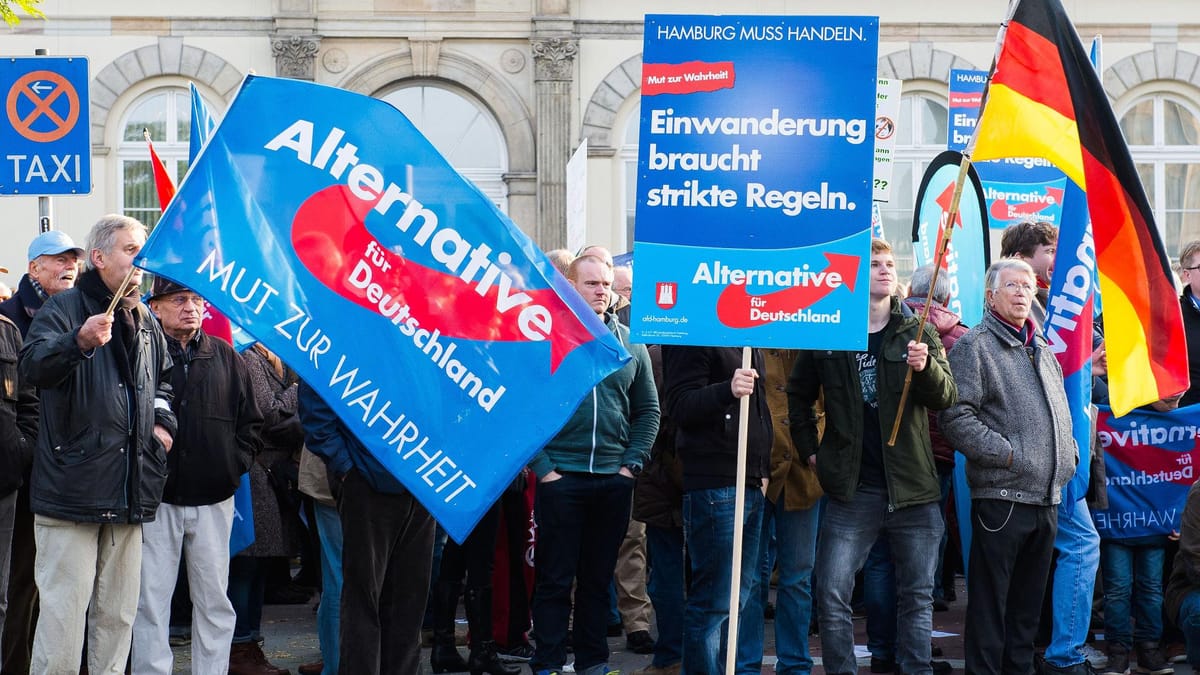
Political figures, parties, or even nations can be cast as
Unruhestifterinnen when they deviate significantly from established norms, challenge international agreements, or disrupt internal political harmony. Historically, certain political parties, initially perceived as persistent troublemakers for their unconventional or oppositionist stances, have sometimes evolved to become stabilizing forces, demonstrating the fluid nature of this label. Conversely, the departure of a prominent, often controversial, political figure might be viewed as the exit of an
Unruhestifterin, bringing either relief or a sense of lost dynamism, depending on one's perspective.
The impact of an
Unruhestifterin in politics can be profound. They compel scrutiny of policies, question leadership, and force dialogue on uncomfortable truths. While this can lead to uncomfortable periods of instability, it can also be the necessary impetus for reform, policy adjustments, and a re-evaluation of national priorities. The challenge for political systems is to differentiate between genuine threats to peace and legitimate, albeit disruptive, voices advocating for change. A political
Unruhestifterin might be a whistleblower exposing corruption, a grassroots organizer challenging systemic injustice, or a diplomat pushing for unconventional solutions in international relations. Their actions, though unsettling to the status quo, are often vital for political accountability and evolution.
Cultural Reverberations: Shaping Society and Thought
Beyond politics, the concept of the
Unruhestifterin profoundly influences cultural development, often serving as a catalyst for artistic innovation, social discourse, and intellectual growth.
In literature, art, and music, the
Unruhestifterin often embodies the avant-garde spirit – those who dare to defy conventions, experiment with new forms, and push the boundaries of expression. Intellectual literature, by its very nature, can act as an
Unruhestifterin, posing difficult questions, challenging societal norms, and forcing readers to confront uncomfortable realities. Such works are not meant to soothe but to provoke thought, debate, and sometimes, even controversy, ultimately enriching the cultural dialogue.
Fashion, as mentioned earlier, is a perpetual
Unruhestifterin, constantly evolving and redefining aesthetics, challenging established tastes, and reflecting or even dictating social change. Sporting figures, too, can embody this spirit, not just through their on-field performance but also by challenging traditional roles, advocating for social causes, or inspiring new generations to participate. The "nice
Unruhestifterin" in sports, for instance, might be a talented player whose unexpected successes not only disrupt opponents' strategies but also inspire fans and fellow athletes, demonstrating that disruption can be gentle yet impactful. These cultural figures and movements, by their very act of disturbing the conventional, stimulate creativity, foster critical thinking, and lead to cultural evolution. For more insights into this transformative power, consider
Unruhestifterin Explained: From Troublemaker to Innovator.
Recognizing and Harnessing the Unruhestifterin Spirit
Understanding the
Unruhestifterin archetype is not just an academic exercise; it offers practical insights into managing change and fostering innovation.
For organizations and leaders:
*
Identify the source: Distinguish between disruptive behavior stemming from malice or incompetence and that which arises from a desire for improvement or innovation.
*
Foster constructive dissent: Create safe spaces for employees or team members to voice challenging ideas without fear of retribution. Often, the most valuable insights come from those willing to disturb the peace of conventional thinking.
*
Channel the energy: Instead of suppressing an
Unruhestifterin, consider how their energy, fresh perspective, and willingness to challenge can be channeled into problem-solving, product development, or process improvement.
*
Context is key: What might be disruptive in one context could be revolutionary in another. Evaluate the environment and the potential impact of the disturbance.
For individuals:
*
Embrace critical thinking: Be willing to question the status quo, even if it feels uncomfortable.
*
Develop resilience: If you find yourself in the role of an
Unruhestifterin, be prepared for resistance and be articulate in explaining your motivations.
*
Seek collaboration: While an
Unruhestifterin often works against the grain, effective change usually requires building alliances and persuading others.
The intentional cultivation of a "positive
Unruhestifterin" mindset can be incredibly beneficial. It means encouraging individuals to challenge deeply held assumptions, fostering a culture of continuous questioning, and valuing diverse perspectives that might initially seem disruptive. Such an environment ensures that stagnation is avoided and that innovation remains at the forefront.
Conclusion
The concept of
Unruhestifterin encapsulates a powerful and often paradoxical force in society. While it can denote a source of genuine disturbance and conflict, it equally embodies the spirit of challenge, innovation, and critical inquiry essential for progress. From the halls of political power to the vibrant tapestry of culture, the influence of the
Unruhestifterin is undeniable. Recognizing this multifaceted archetype allows us to better understand the dynamics of change, embrace the discomfort that often accompanies growth, and ultimately, harness the transformative potential that lies within those who dare to disturb the peace for a greater purpose.